Michigan Well Water Guide: Testing, Iron and Hardness

In Michigan, nobody tests your private well but you. The MDHHS schedule, EGLE lab fees, naturally occurring arsenic, MPART PFAS sites, and what to do with your results.
In Michigan, nobody tests your private well but you. The MDHHS schedule, EGLE lab fees, naturally occurring arsenic, MPART PFAS sites, and what to do with your results.
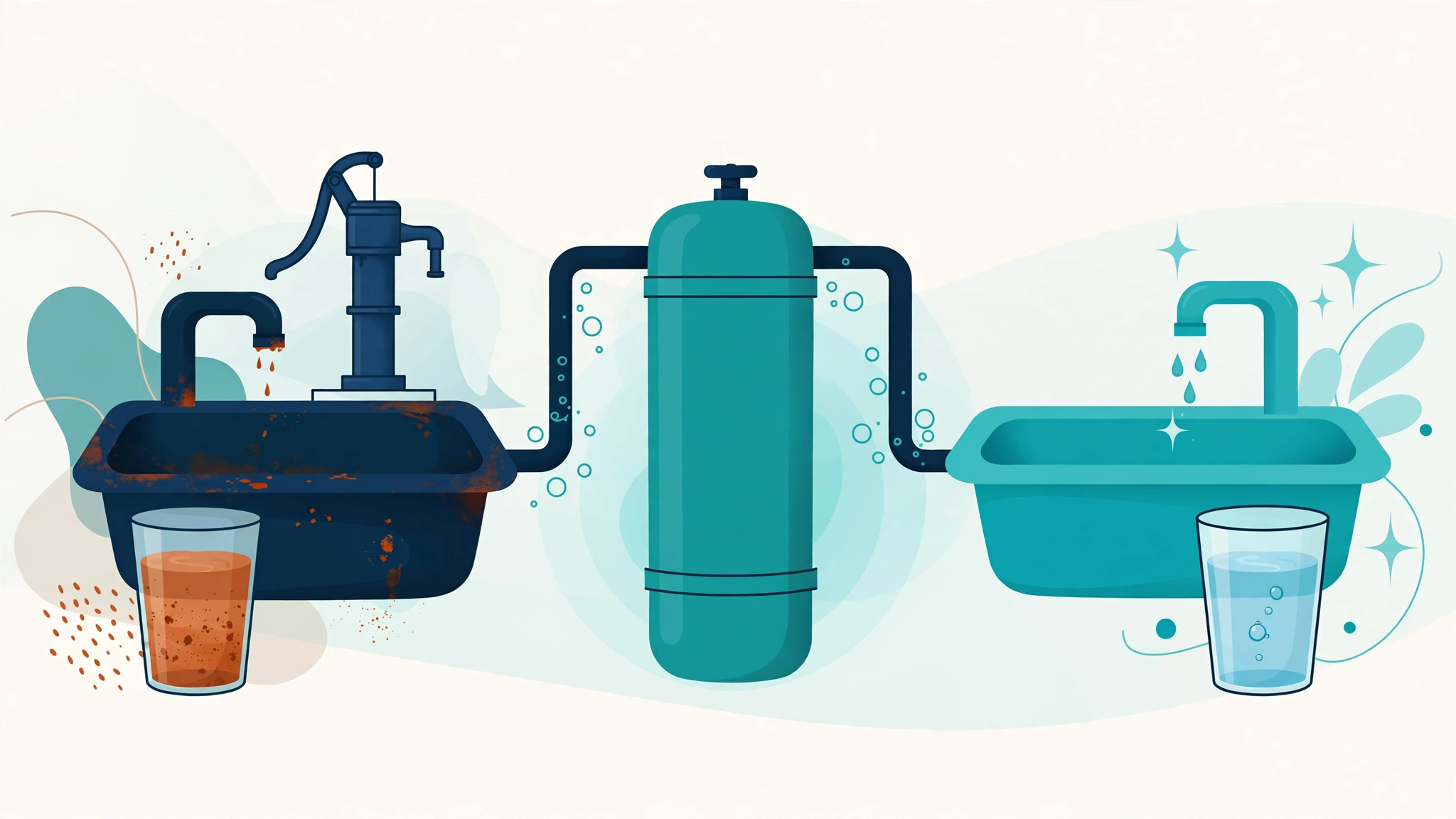
Ferrous, ferric, and iron bacteria are three different problems. Iron filters matched to your ppm test — AIO backwashing systems vs the 3 ppm cartridge ceiling — with 5-year costs.

The G3P800’s PFOA/PFOS claim is certified — but under a separate IAPMO file (WC-14805, NSF/ANSI 53) from its RO claims (WC-13976, NSF/ANSI 58). We read the listings claim by claim and totalled five years: $669.85 in filters, around $1,429 at the $759 promo price or around $1,669 at $999 list.
Only three systems here carry a certified PFOA/PFOS claim we could trace to a certifier listing — Aquasana AQ-5300+, AquaTru Classic and Waterdrop G3P800 — with 5-year totals from around $1,024 to around $1,669. iSpring, Hydroviv and Clearly Filtered are excluded, with the exact gap in each claim shown.

Regeneration frequency is grains removed, nothing else: daily grains = people × 75 gallons × hardness. For 4 people at 15 gpg that is 4,500 grains a day; a 48,000-grain unit at the site’s 70-percent sizing method delivers 33,600 grains, so it regenerates about every 7.5 days — about 49 times a year, at 9 lb of salt (1.5 cu ft × 6 lb) and roughly 40–100 gallons of water per cycle, about 2,450 gallons a year at a representative 50 gallons. Cycle steps verified against Pentair Fleck documentation; water-per-cycle ranges sourced to Nebraska Extension (about 50–100 gal), EPA WaterSense guidance as reported (about 20–70 gal typical) and a GE specification sheet (37–43 gal at maximum dose for 40,000–45,000-grain demand-initiated models).

The certification trap is the story: Samsung HAF-CIN and HAF-QIN are both NSF-listed for 42, 53 and 401, LG LT1000P carries the same three standards on its NSF-named data sheet, and everydrop Filter 4 is certified 42/53/401 — but GE’s RPWFE sheet on file certifies only 42 and 53 and expressly disclaims NSF certification for its pharmaceutical claims. Standard compatibles (Waterdrop, AQUA CREST) verify as 42 and 372 only — taste, not lead — while Waterdrop Plus lines carry named NSF/IAPMO certification for 42, 53 and 401. Annual cost at two six-month cartridges: about $70–$120 OEM, about $20 taste-only compatible, about $28 certified Plus-type.
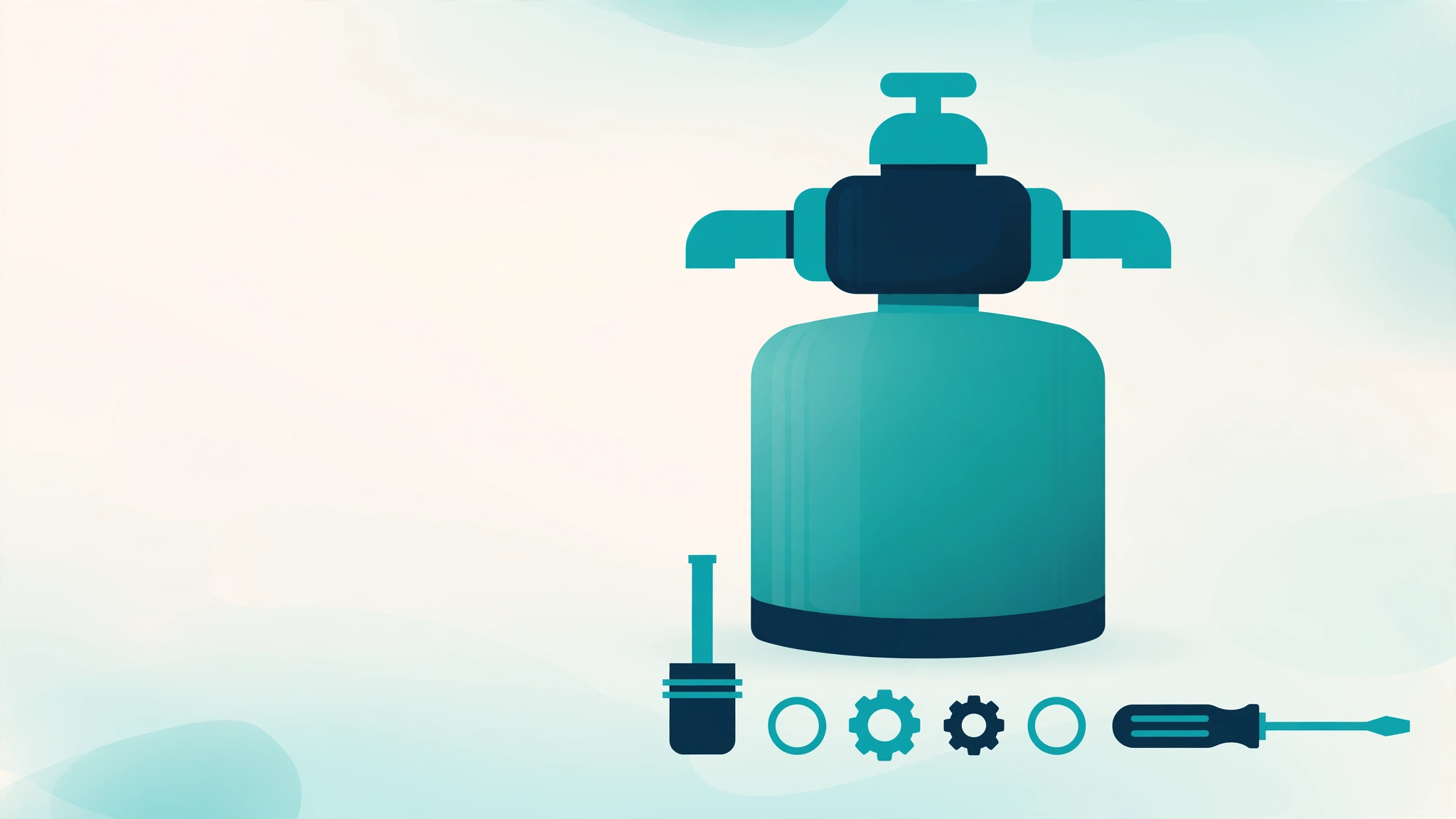
Most softeners are disposable when the valve dies; the 5600SXT is rebuildable with hand tools and stocked parts — piston 60102, seals/spacers 60125, brine valve 60032, a full refresh for around $90–$120. Complete-system street ranges by grain size, the plain certification split (WQA-certified valve, no directory-listed assembled system), and 5-year cost math shown: about $1,230 for the 48,000-grain build.
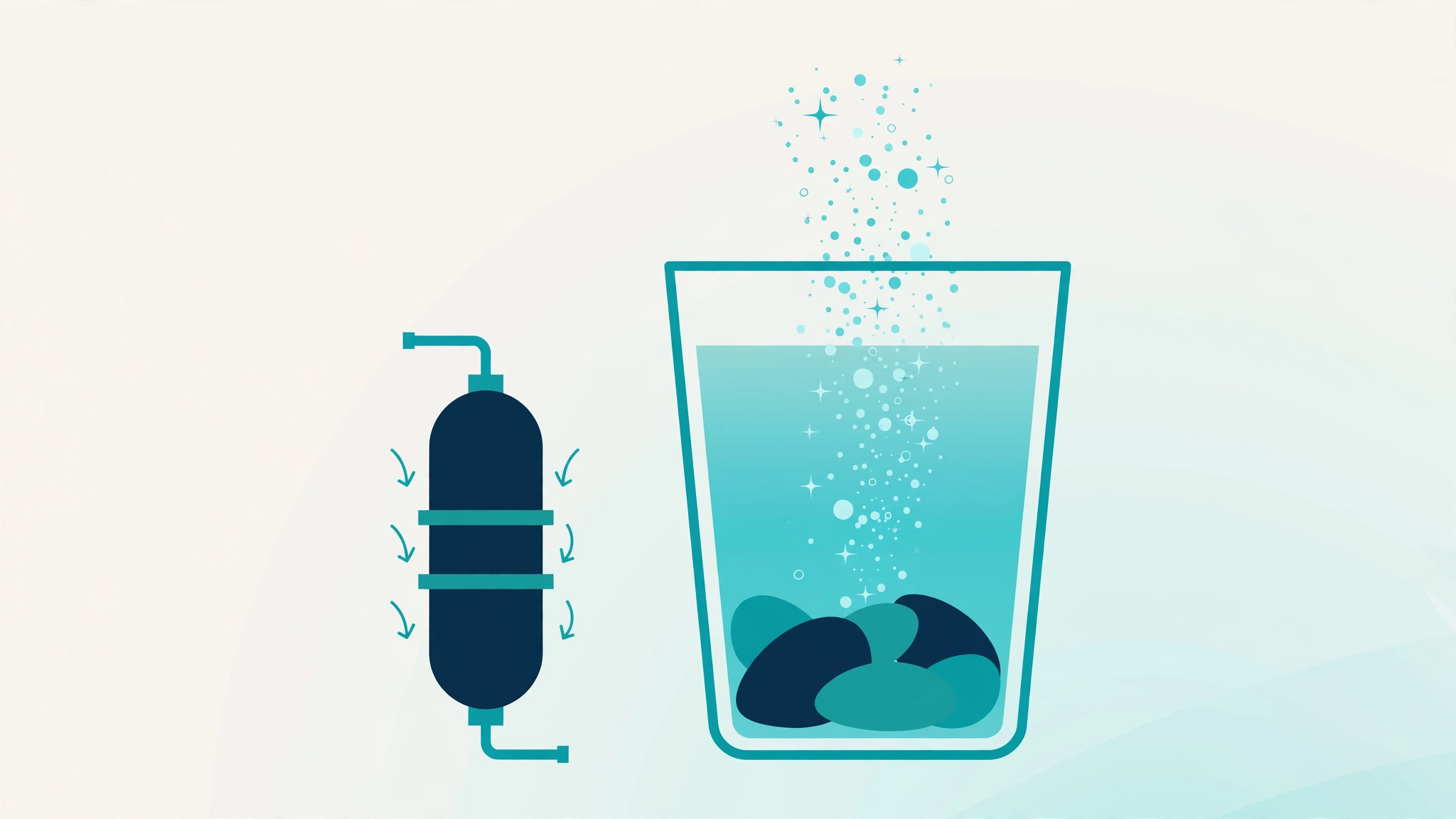
Remineralization stages add small amounts of calcium and magnesium and mainly change taste and pH slightly — diet dwarfs water minerals, so this is a taste choice, not a health necessity. Five options compared with verified prices, replacement intervals, per-year cost math shown, and what TDS after a remin stage (roughly 20–90 ppm) actually means.

Your city switched disinfectants and the water tastes different. Chloramine lasts longer in the pipes and forms fewer regulated disinfection byproducts — and that same stability defeats the jug on the counter, the kettle, and any filter certified only for chlorine. How to find which disinfectant you have, and what is actually certified to remove it.

Test strips screen chlorine, hardness and pH in broad bands but cannot resolve lead, PFAS, arsenic or bacteria at the levels that matter. A mail-in certified lab gives real numbers — here is what each method costs, priced from the labs’ own stores, and the five situations where the lab bill is worth paying.